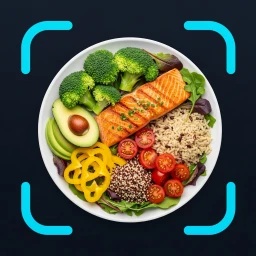
How to Build a Balanced Plate: The Simple Plate Method
No counting required. The plate method gives you a visual template for a balanced meal.
The template
- Half your plate: vegetables and/or fruit. Aim for variety and colour.
- A quarter: protein, such as fish, poultry, eggs, tofu, beans or lean meat.
- A quarter: quality carbohydrates like wholegrains, potatoes, rice, pasta or legumes.
- A thumb or two: healthy fats like olive oil, nuts, seeds or avocado.
- Drink: water, tea or coffee without much sugar.
Why it works
It automatically gives you fibre, protein and volume, which keep you full, while limiting the foods that are easy to overeat. It resembles the NHS Eatwell Guide and the US MyPlate model.
Adjusting it for your goal
- Fat loss: enlarge the vegetable section and use smaller carb and fat portions.
- Muscle gain or heavy training: increase the carb and protein quarters.
- Vegetarian or vegan: use beans, lentils, tofu, tempeh or eggs for protein.
Three plate examples
- Grilled salmon, roasted vegetables, quinoa and a drizzle of olive oil.
- Chicken stir-fry with plenty of vegetables and a small portion of rice.
- Lentil and vegetable curry with brown rice and a side salad.
Checking your plate
Photo your meal in FoodClik to see the calories and macros of what you actually served. It's a quick way to learn how a balanced plate looks in numbers. For measurements without a scale, see portion sizes.
Frequently asked questions
Is the plate method good for weight loss?
Yes. It naturally emphasises low-calorie, high-volume foods and adequate protein.
Do I need to track calories on the plate method?
No. It works as a standalone approach, though some people use it alongside tracking.
Skip the typing. Log it from a photo.
FoodClik turns a photo of your meal into calories, protein, carbs and fat in seconds. Edit any item before you save, then watch your day add up.


Free to download. Try Premium free for 3 days, cancel anytime.
Keep reading
Sources and further reading
This page is general nutrition information, not medical advice. Calorie and macro figures are estimates and real foods vary. Talk to a doctor or registered dietitian before making big changes to your diet, especially if you are pregnant, have a medical condition, or have a history of disordered eating.