Low-Calorie, High-Volume Foods That Keep You Full
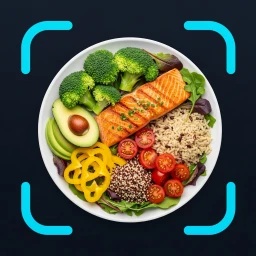
Foods with lots of water and fibre take up more space in your stomach for fewer calories. That's the idea behind volume eating.
What is energy density?
Energy density is calories per gram of food. Vegetables, fruit and soups are low; oils, nuts, cheese and pastries are high. Choosing more low-density foods lets you eat satisfying portions on a calorie budget.
The best high-volume foods
- Cucumber: about 15 calories per 100 g.
- Spinach: about 23 per 100 g.
- Mushrooms and cauliflower: about 22 to 25 per 100 g.
- Tomatoes: 18 per 100 g.
- Strawberries: 32 per 100 g, and watermelon about 30.
- Broccoli: 34 per 100 g.
- Broth-based soups, air-popped popcorn and plain Greek yogurt.
How to use them
- Start meals with a large salad or broth soup.
- Fill half your plate with vegetables.
- Bulk up mince dishes with mushrooms, grated veg or lentils.
- Swap some rice or pasta for cauliflower rice or courgetti, if you like them.
Don't forget protein and fat
Volume alone won't keep you satisfied for long. Pair high-volume veg with protein and a little fat, and don't drown them in dressing: a tablespoon of oil is 120 calories.
Frequently asked questions
What foods fill you up for the fewest calories?
Non-starchy vegetables, fruit, broth-based soups, potatoes, legumes and lean protein.
Does volume eating really work?
Studies show people tend to eat a similar weight of food, so lower-energy-density meals reduce calorie intake without leaving them hungrier.
Skip the typing. Log it from a photo.
FoodClik turns a photo of your meal into calories, protein, carbs and fat in seconds. Edit any item before you save, then watch your day add up.


Free to download. Try Premium free for 3 days, cancel anytime.
Keep reading
Sources and further reading
This page is general nutrition information, not medical advice. Calorie and macro figures are estimates and real foods vary. Talk to a doctor or registered dietitian before making big changes to your diet, especially if you are pregnant, have a medical condition, or have a history of disordered eating.